
About American Beauty
American Beauty depicts the story of Lester Burnham, a gainfully employed suburban husband and father. Tired of his boring, stagnant existence, he lets go of his job and decides to reinvent himself as a pot-smoking, responsibility-shirking teenager. What follows is at once cynical, hysterical, and, eventually, tragically uplifting.
After a recent watch I started to think about movies like American Beauty and believe it or not – they’re out there. Here’s hoping you add a few to your bucket list.
10. Prozac Nation (2001)
Prozac Nation follows Elizabeth Wurtzel, a gifted young writer who begins her freshman year at Harvard already burdened by emotional instability and a turbulent home life. As academic pressure collides with unresolved trauma and a strained relationship with her mother, Elizabeth spirals into deep depression – leading to several of the film’s most critically praised moments. Reviewers highlighted scenes such as her raw breakdown in the therapist’s office, her emotionally charged confrontation with her mother, and the unflinching portrayal of her spiral into drugs, sex, and self-destructive behavior. Critics especially praised the stark sequence where she’s unable to get out of bed, noting its realism and emotional weight.
As her mental state worsens, Elizabeth finally seeks professional help and begins therapy, eventually being prescribed Prozac. Critics pointed to her climactic acceptance of help as one of the film’s strongest moments, capturing the painful humility of reaching for support. The narration throughout – delivered with Christina Ricci’s sharp, confessional tone – was also widely praised for echoing the memoir’s intimacy. Ultimately, Prozac Nation presents both an honest portrait of depression and a showcase for Ricci’s intense, critically acclaimed performance.

9. American Hustle (2013)
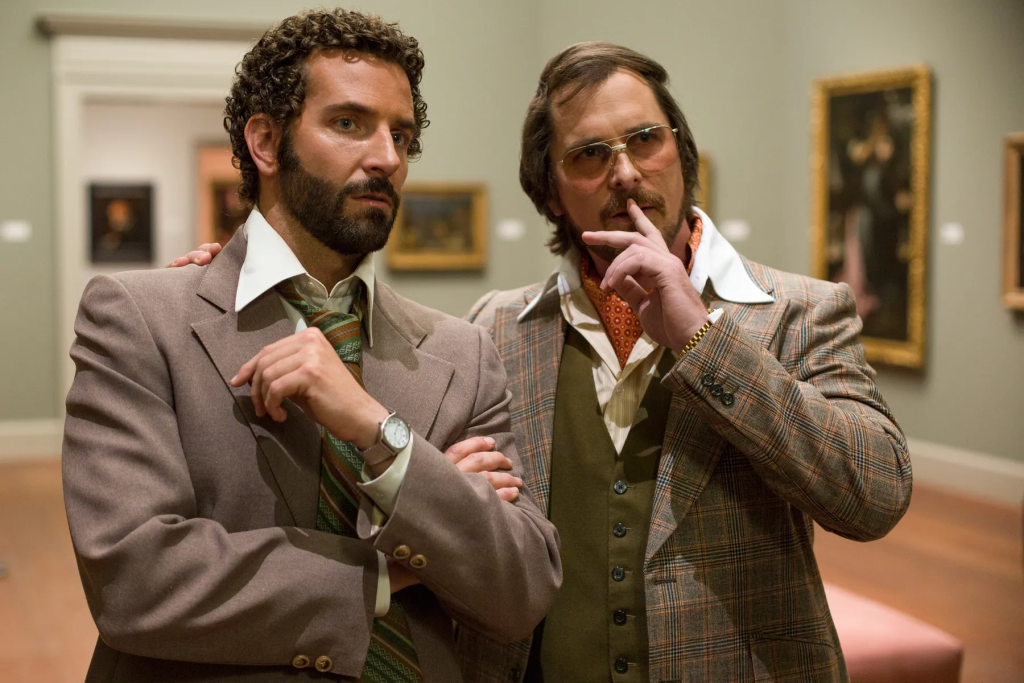
American Hustle follows con artist Irving Rosenfeld and his partner Sydney Prosser, who are forced into helping FBI agent Richie DiMaso after he busts their loan-scam operation. As they work with him to ensnare bigger targets – starting with well-meaning mayor Carmine Polito – the sting widens into a maze of lies, seduction, and high-stakes improvisation. Critics frequently praised standout scenes such as Irving’s iconic opening comb-over ritual, Sydney and Richie’s hypnotic nightclub dance, and the unexpectedly warm moments between Irving and Carmine, including the touching microwave gift exchange. American Hustle’s mix of character study and stylish tension helped elevate these moments into some of its most celebrated.
Complicating the con is Irving’s volatile wife Rosalyn, whose unpredictability produces several of the film’s most acclaimed scenes – especially her explosive “Live and Let Die” performance and the heated science-oven argument. Critics also singled out Sydney’s razor-sharp bathroom confrontation with Rosalyn, and the mob meeting with Victor Tellegio, which instantly escalates the stakes. As loyalties blur and Richie becomes increasingly unhinged, Irving and Sydney ultimately outsmart both the FBI and the mob. American Hustle closes on a twist that critics admired for its cleverness, reinforcing the movie’s themes: ambition, deception, and the thin line between chaos and control.
8. Fatal Attraction (1987)
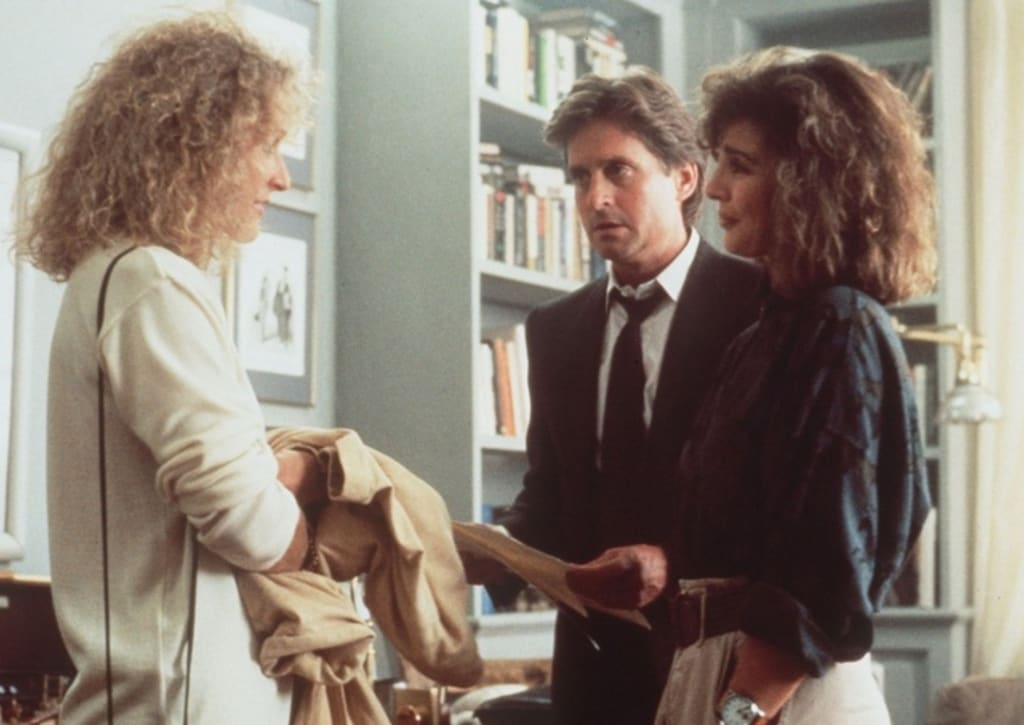
Fatal Attraction follows Dan Gallagher, a married lawyer whose brief affair with Alex Forrest spirals far beyond his control. What begins as a weekend fling quickly turns unsettling, with critics praising early scenes like the tense elevator seduction and Alex’s chilling declaration, “I’m not going to be ignored, Dan.” As Dan tries to distance himself, Alex’s emotional instability surfaces in moments such as the flooded-apartment confrontation and the unnerving bathroom mirror scene, both widely acclaimed for Glenn Close’s raw, layered performance. These moments mark the shift from impulsive affair to psychological nightmare.
Her obsession escalates into violence, delivering some of the film’s most iconic and critically praised scenes. The infamous rabbit-boiling moment remains a cultural touchstone, symbolizing Alex’s descent into danger, while the brutal car attack on Dan’s wife Beth raises the stakes even higher. Fatal Attraction builds toward a nerve-shredding home invasion, culminating in the bathtub finale – universally praised for its suspense and Close’s terrifying physical commitment. Ultimately, Fatal Attraction endures as a masterclass in tension, built on powerhouse performances and unforgettable, genre-defining moments.
7. Requiem for a Dream (2000)
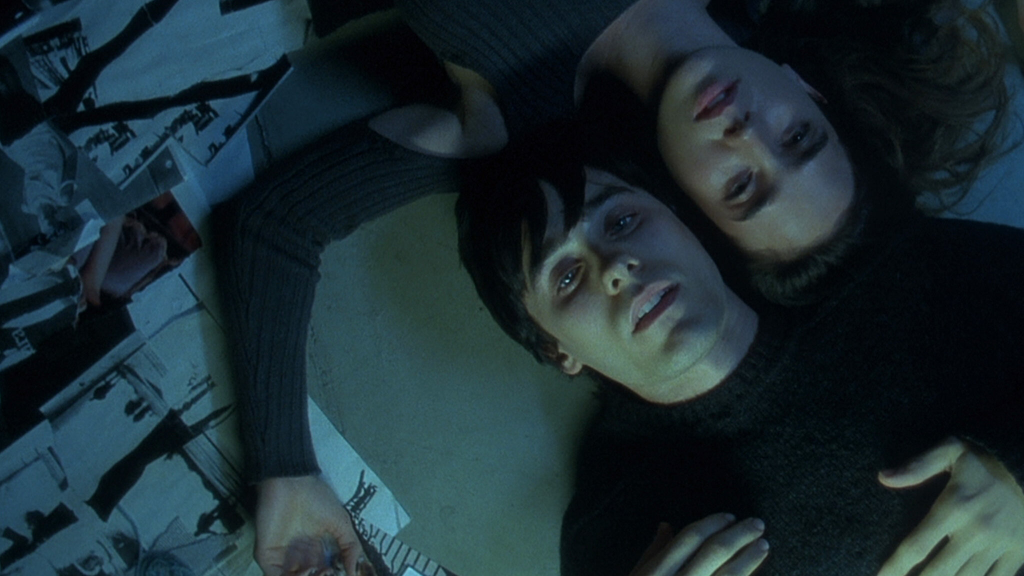
Requiem for a Dream follows four people – Harry, his girlfriend Marion, his friend Tyrone, and his mother Sara – who each chase a dream they believe will transform their lives. Harry, Marion, and Tyrone hope dealing heroin will lead to a better future, while Sara becomes fixated on losing weight for a delusional TV appearance. Critics have consistently praised several of the film’s most powerful early moments, including Sara’s heart-breaking apartment breakdown where she confesses her desire “just to be on TV,” and the hypnotic, rapid-fire addiction montages that visually capture the seductive pull of dependency. These scenes, along with Tyrone’s tender flashback of his mother, help ground the story in humanity before the characters’ lives begin to collapse.
As their addictions deepen, the film delivers its most unforgettable and critically acclaimed sequences. Sara’s terrifying game-show hallucination and the infamous refrigerator attack mark her descent into amphetamine psychosis, while Harry’s arm infection spirals into the harrowing amputation scene often cited as one of the film’s most shocking moments. Marion’s final degradation during the notorious “ass to ass” sequence stands out as a symbol of addiction’s total loss of identity, and the film’s devastating final montage – cross-cutting between Sara’s electroshock therapy,
Harry’s hospitalization, Marion’s exploitation, and Tyrone’s imprisonment – is widely regarded as a masterclass in editing and emotional impact. By the end, each character is left broken, reinforcing Requiem for a Dream’s brutal message: addiction doesn’t just destroy dreams – it destroys the dreamers themselves.
6. Eyes Wide Shut (1999)
Eyes Wide Shut follows Dr. Bill Harford, whose orderly life begins to unravel after his wife Alice delivers one of the film’s most critically praised moments: her confession of a sexual fantasy involving a naval officer. This revelation shatters Bill’s sense of security and masculinity, sending him on a nocturnal journey through New York where he encounters surreal and erotic situations. Critics highlight these early scenes – particularly Alice’s erotic dream monologue – as the emotional detonators that drive the story.
Bill’s wandering eventually leads him to the film’s most iconic sequence: the masked ritual orgy, celebrated by reviewers for its haunting music, dreamlike pacing, and slow-building dread. When Bill’s identity is called out during the ceremony, a mysterious masked woman steps forward to “redeem” him, a moment critics frequently describe as one of the film’s most haunting and ambiguous.
After the ritual, Bill becomes entangled in a web of paranoia and secrecy. There’s the morgue scene – where Bill confronts the body of the woman who may have sacrificed herself for him – as one of Eyes Wide Shut’s quietest but most disturbing moments. His tension peaks when he returns home to find the ritual mask placed on his pillow beside a sleeping Alice, a moment universally praised as a masterclass in minimalistic dread and psychological rupture. With warnings mounting and his illusions collapsing, Bill finally breaks down and confesses everything to Alice – another standout scene noted for Tom Cruise’s vulnerability.
Eyes Wide Shut ends with the couple reconnecting in a toy store, culminating in Alice’s blunt final line about what they must do next, a conclusion critics see as Kubrick’s wry acknowledgment of desire, honesty, and the messy realities of marriage.

5. Cruel Intentions (1999)
Cruel Intentions follows manipulative, wealthy step-siblings Sebastian Valmont and Kathryn Merteuil, who revel in playing psychological games with the people around them. Kathryn challenges Sebastian to seduce Annette Hargrove – a principled girl who has vowed to remain a virgin – offering herself as the prize if he succeeds and taking his prized Jaguar if he fails.
Critics often highlight several of the film’s most iconic early moments, including Kathryn’s infamous cocaine-filled crucifix reveal, her chilling “image lesson” speech to Cecile, and the provocative park-bench kiss between Kathryn and Cecile, which became a defining moment of 90s teen cinema. Against this backdrop of manipulation, the tender romance montage between Sebastian and Annette – praised for its sincerity – marks the turning point where Sebastian begins to fall genuinely in love.
As Kathryn retaliates and escalates her schemes, tensions rise toward some of the film’s most emotional and dramatic beats. Sebastian’s heart-breaking confession of love to Annette and his subsequent breakdown are often cited as Ryan Phillippe’s strongest moments in the film. The final street confrontation – where Sebastian sacrifices himself to save Annette and is fatally struck by a taxi – stands out as one of the film’s most powerful scenes, praised for its tragic tonal shift. Kathryn’s downfall at the funeral, when Annette distributes Sebastian’s journal and exposes her manipulations, is celebrated as a cathartic payoff and one of Sarah Michelle Gellar’s most memorable moments. Cruel Intentions ends with Annette driving away in Sebastian’s Jaguar – a final image praised for its bittersweet symbolism of grief, freedom, growth, and escape.
OTHER STUFF: 11 Horror Movies You Can Watch in 60 Minutes or Less

4. Marriage Story (2019)
Marriage Story follows Charlie, a New York theatre director, and Nicole, an actress redefining her identity, as their attempt at an amicable separation spirals into a painful, complicated divorce. When Nicole moves to Los Angeles with their son and hires a powerful attorney, long-buried resentments surface – about career sacrifices, emotional imbalance, and the quiet ways they failed each other. Critics consistently praise several early moments, including Nicole’s heartfelt monologue with her lawyer, where she finally articulates everything she’s suppressed, and Charlie’s quietly devastating solo evaluation with a court observer. These scenes highlight the film’s emotional honesty and showcase the raw performances that anchor the story.
As the legal battle intensifies, the couple is drawn into confrontations they never wanted, leading to the film’s most incredible sequence: the brutal apartment argument, widely considered one of the finest acted scenes of the decade. Critics also highlight Charlie’s performance of “Being Alive” from Company, a moment that reveals his grief and longing with heart-breaking clarity. The letter-reading scenes – first Nicole’s unsent note about what she loves in Charlie, and later Charlie discovering Henry reading it – are praised for their warmth and emotional precision. In the end, despite the legal war and emotional wounds, Charlie and Nicole find mutual respect as co-parents, closing the film on a bittersweet yet hopeful note that critics celebrated for its humanity and restraint.

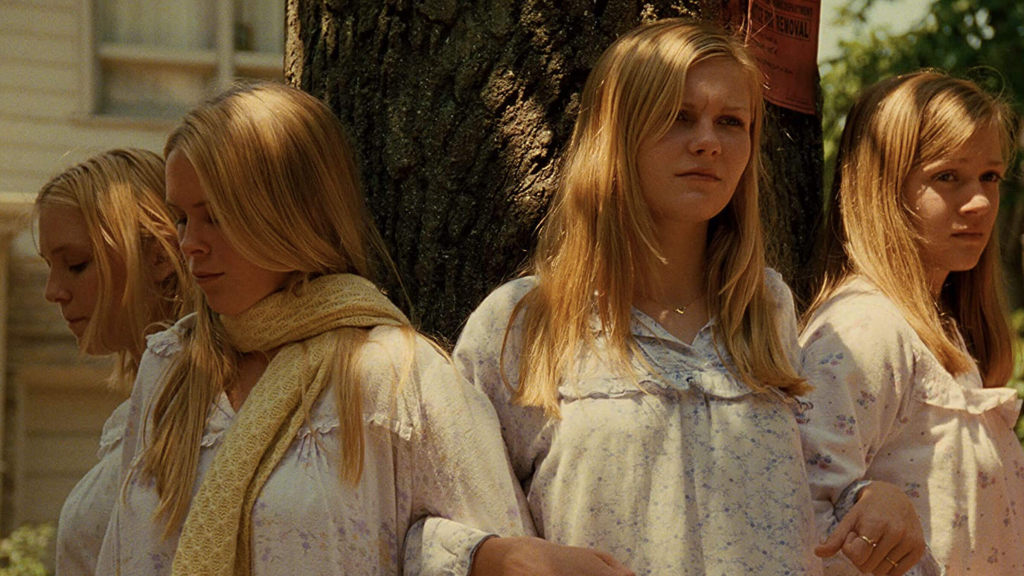
3. The Virgin Suicides (1999)
The Virgin Suicides follows the tragic, ethereal story of the five Lisbon sisters – Cecilia, Lux, Bonnie, Mary, and Therese – through the collective memories of neighbourhood boys who were captivated by their beauty, fragility, and isolation. After 13-year-old Cecilia’s first failed suicide attempt and her later successful one, the Lisbon household becomes suffocatingly strict, with parents who respond to grief by tightening control.
Critics often highlight Cecilia’s chilling opening attempt and her haunting line, “Obviously, Doctor, you’ve never been a 13-year-old girl,” as one of the film’s strongest early moments, perfectly setting the tone of melancholy and mystery. Reviewers also praise the dreamy, sun-soaked sequences of the boys observing the sisters from afar – the treehouse telescope scene, the scrapbook montage, and the soft-focus glimpses of the girls walking in unison -which capture the film’s hypnotic mood.
As adolescence intensifies, Lux’s rebellious streak brings both desire and danger, leading to one of the film’s most praised sequences: the prom night intercut with her passionate liaison with Trip Fontaine on the football field. There’s the long-distance phone call sequence – where the boys and sisters communicate by playing records over the phone – which is one of the film’s most tender, magical moments, filled with adolescent longing. When Lux breaks curfew, the parents impose total lockdown, trapping the girls in a home defined by grief and repression. The final revelation – when the boys sneak out to “rescue” the sisters only to find that all four remaining girls have taken their own lives – is regarded as the film’s devastating emotional peak.
The closing narration, where the now-grown men admit they never understood the sisters’ inner lives, is frequently praised for its haunting resonance. Together, these moments cement The Virgin Suicides as a dreamlike, heart-breaking meditation on memory, adolescence, and the unknowable pain behind the girls’ quiet smiles.
2. Girl, Interrupted (1999)
Girl, Interrupted follows Susanna Kaysen, a young woman diagnosed with borderline personality disorder after a suicide attempt, who is sent to Claymoore, a psychiatric hospital in the late 1960s. There she meets a group of women struggling with their own mental illnesses, including the volatile, magnetic Lisa; the traumatised Daisy; the anxious Georgina; and the sweet, burn-scarred Polly. As Susanna navigates hospital life, she forms intense bonds that blur the line between friendship and dysfunction, particularly with Lisa, whose rebellious influence begins pushing her toward destructive behavior.
A turning point comes when Lisa taunts Daisy into a downward spiral that results in her suicide, forcing Susanna to confront the toxic nature of their relationship and the seriousness of her own illness. Gradually, she begins to take responsibility for her recovery, committing to therapy and self-reflection rather than chaos and escape. By the end, Susanna chooses healing and stability, while Lisa remains trapped in her cycle of manipulation and denial. Girl, Interrupted closes with Susanna’s release, marking a painful but hopeful step toward understanding herself and her place in the world.

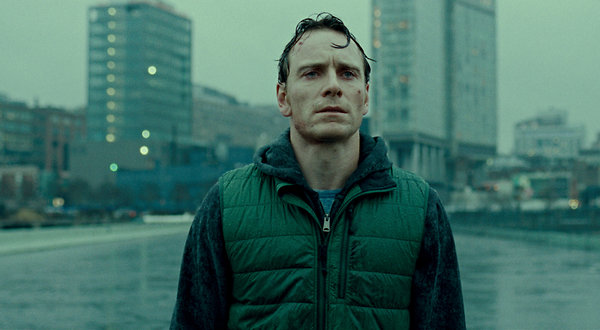
1. Shame (2011)
Shame follows Brandon Sullivan, a seemingly successful New York professional whose life is ruled by a secret, consuming sex addiction. Behind his polished exterior, Brandon moves through a cycle of compulsive pornography use, anonymous encounters, and emotionless sex that keeps him isolated and numb. His carefully controlled world collapses when his troubled sister Sissy unexpectedly moves in, disrupting his routines and exposing the deep emotional wounds both siblings carry but never address. Their strained relationship highlights Brandon’s inability to form genuine connections, even as he attempts a sincere romantic date that ends in failure.
As Sissy’s instability grows and Brandon’s addiction worsens, he spirals into increasingly dangerous and self-destructive behavior. After an intense night of bingeing – marked by risky encounters and emotional breakdown – Brandon confronts the emptiness beneath his compulsions. Yet the film ends ambiguously: a final moment implies he may be trapped in the same destructive cycle, suggesting that awareness alone isn’t enough to guarantee change. Shame becomes a raw, unflinching portrait of addiction, loneliness, and the painful struggle for human connection.
What did you think of this list of movies like American Beauty?
Have you seen any of these movies like American Beauty? Would you have added any others to this list?
Let me know in the comments.